Home/ How It Works
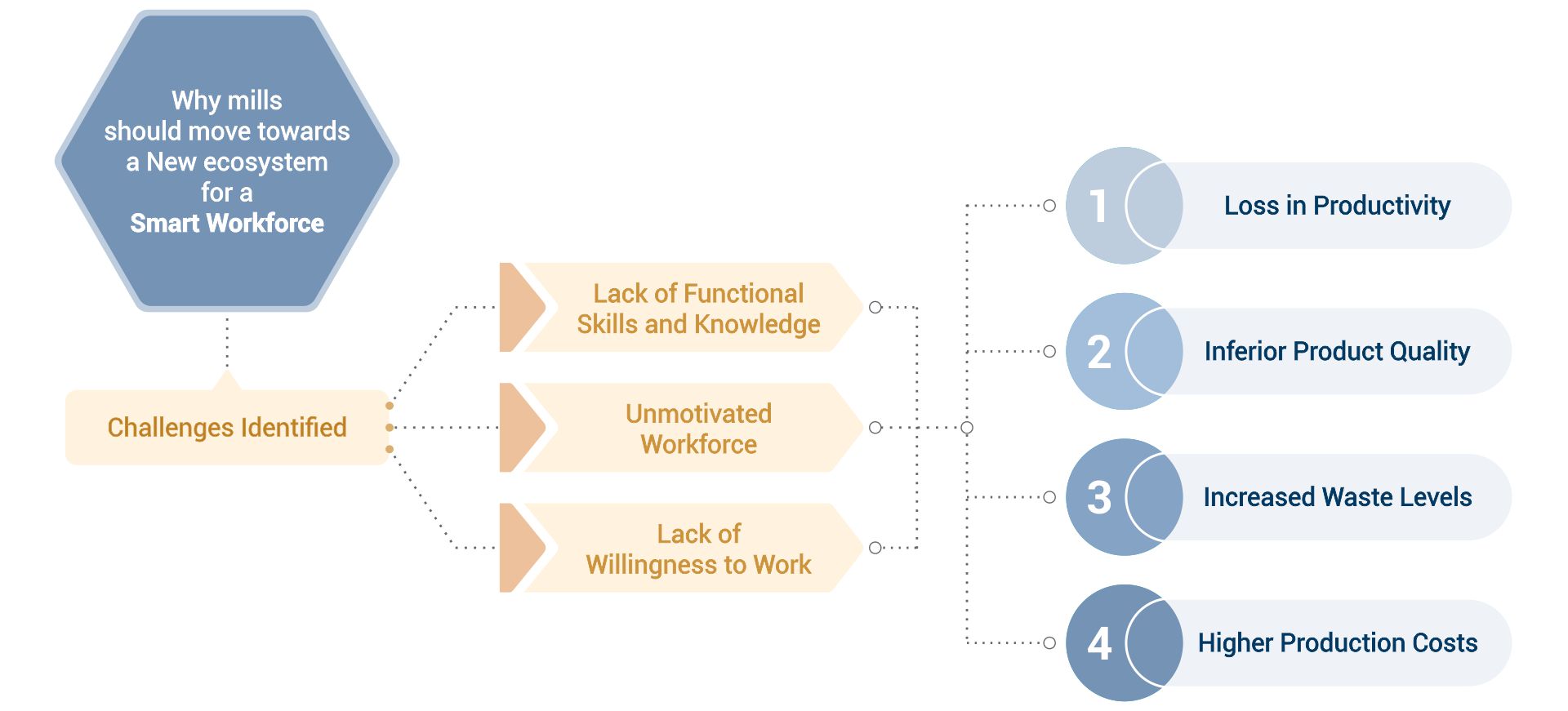
Traditional workforce models are no longer enough. Mills today face significant challenges like skill gaps, low motivation, and lack of willingness to work — all of which lead to productivity loss, quality setbacks, rising waste, and increased production costs.
Our Smart Workforce Program addresses these root causes with strategic, science-backed solutions—paving the way for a high-performance, value-driven culture across your mill. This cannot be achieved overnight — it can only be achieved through systematic and selective procedures —Smart Workforce is a scientific process, not an event. “When people grow, performance follows.”
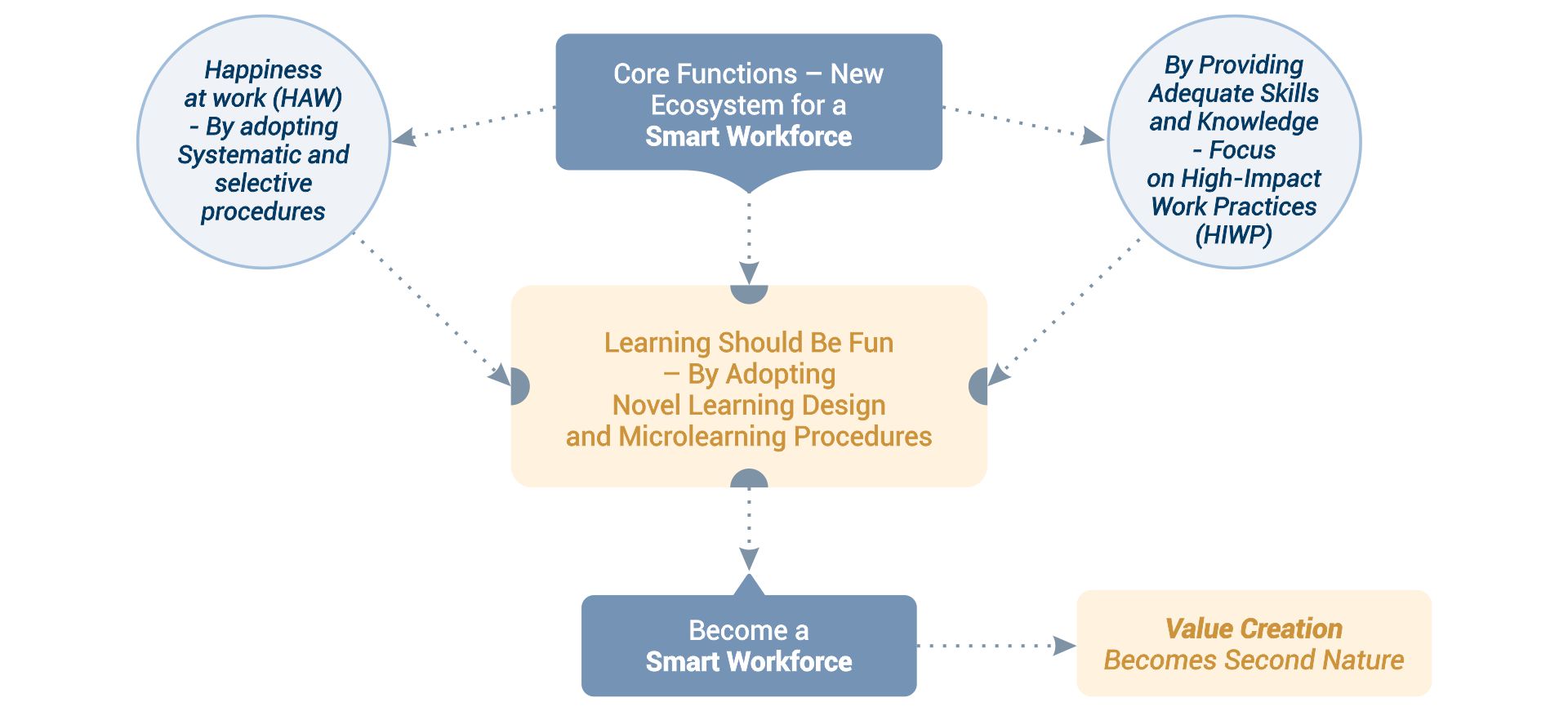
A truly smart workforce is built on three foundational pillars: workplace happiness, functional skills, and joyful learning. By applying structured methods to improve emotional well-being, focusing on high-impact work practices (HIWP) by adopting built habits that yields measurable value creation., and introducing engaging microlearning systems, employees begin to see value creation as part of their nature—not just their role. “When learning feels good and work feels meaningful, value flows naturally.”
A sustainable workforce can only be achieved by fostering employees’ happiness at work (HAW). Similarly, retaining highly motivated employees and maintaining a healthy work environment are essential for ensuring workforce sustainability in the textile industry.

Happiness at Work (HAW) is not just a feel-good factor—it’s a vital driver of workforce sustainability. When HAW is embedded into daily work practices, it leads to higher levels of employee satisfaction, engagement, and long-term commitment. This emotional alignment ultimately results in a sustainable workforce that thrives with purpose and performance. “A happy workforce isn’t a bonus—it’s the foundation of lasting success.”

Creating a happy workforce takes more than good intentions—it requires a strategic, inclusive, and sustained approach. By adopting novel methods to teach and embed the skill of happiness, we help mills build emotionally resilient teams ready for long-term success. “Happiness is a skill—and like any skill, it can be learned, shared, and sustained.”
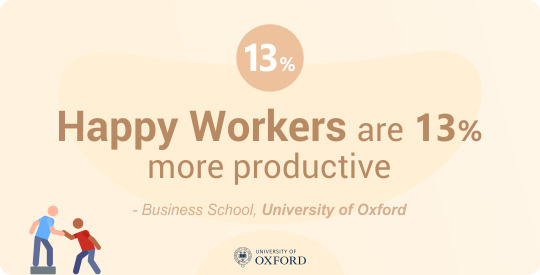
“A happy workforce isn’t a cost—it’s a catalyst for productivity.”
“Workplace happiness isn’t just a philosophy—it’s a performance strategy.”
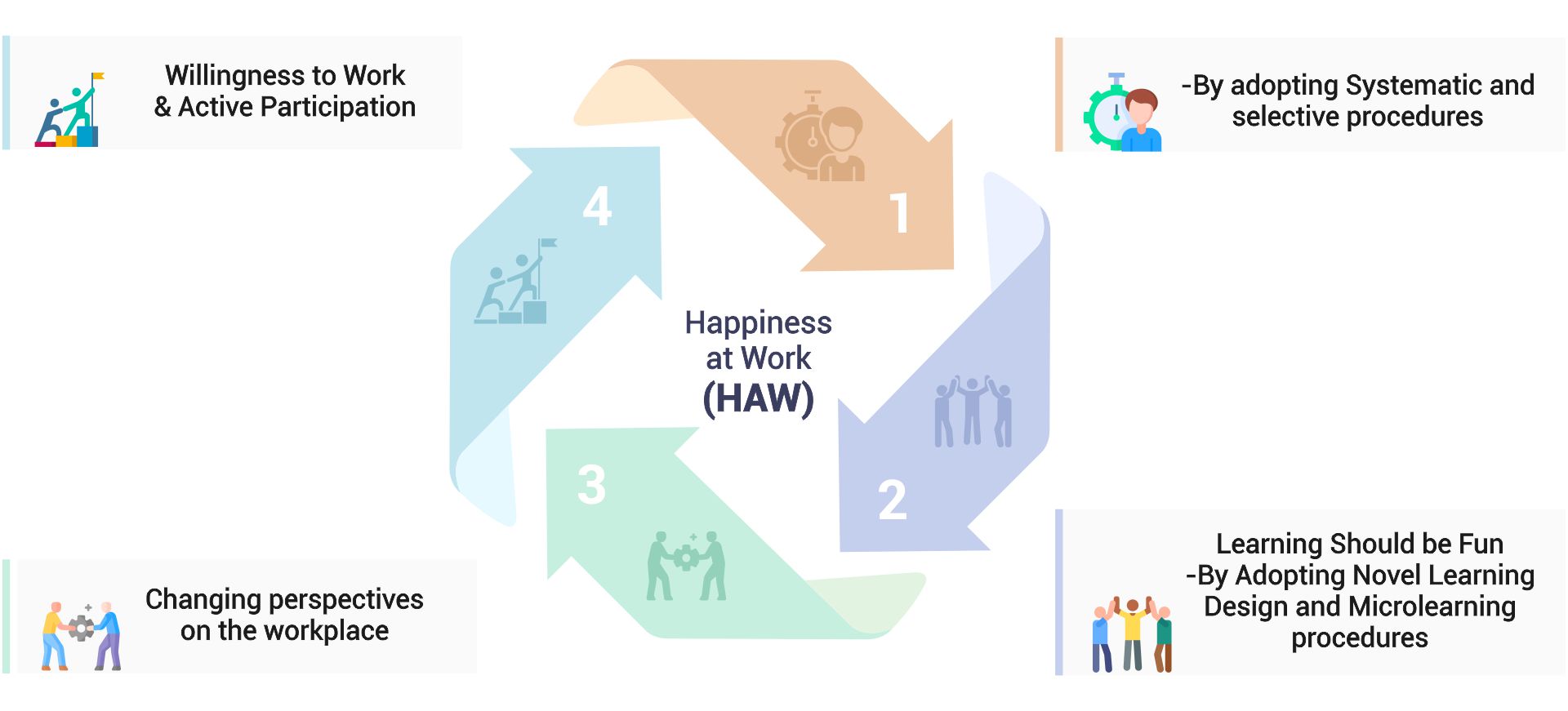
Happiness at Work (HAW) is built through a systematic, practical, and emotionally engaging cycle. It starts with structured procedures, fun and relevant learning experiences, and leads to a genuine shift in how employees view their work. The final outcome is an active, willing workforce that thrives on participation and purpose. “When happiness becomes part of the system, participation becomes effortless.”
“Workplace happiness is a key factor for behavioral change. It helps create the right mindset and leads to a ‘willingness to work’ attitude. This shift changes the way employees perceive the workplace. When this attitude shift happens, the workplace is no longer seen as boring or burdensome — it becomes a space for fun, joy, and fulfillment.”

To equip employees with the right skills, we use a science-driven, user-centered design (UCD) approach. By combining microlearning, blended learning models, and insights from neuroscience and positive psychology, we create learning experiences that are engaging, efficient, and impactful.
“When learning is relevant and brain-friendly, employees engage—and performance follows.”
Lasting organizational change begins with cultural transformation. Culture shapes how people think, act, and work together.
A positive culture inspires employees, boosting job satisfaction and leading to reduced employee turnover. A high-performing culture enhances efficiency, lowers costs, and increases profitability. “Cultural change is the foundation for growth, resilience, and long-term success”
The ultimate goal of the Smart Workforce Program is to transform every individual into a valuable asset for the organization. By nurturing skills, mindset, and motivation, we help mills unlock the full potential of their people—creating long-term impact and sustained growth. “When people feel valued, they create value.”


Global Textile Solutions (GTS) is an applied research and strategic workforce consultancy shaping the new ecosystem for smart workforce development in the next era of textile mills.